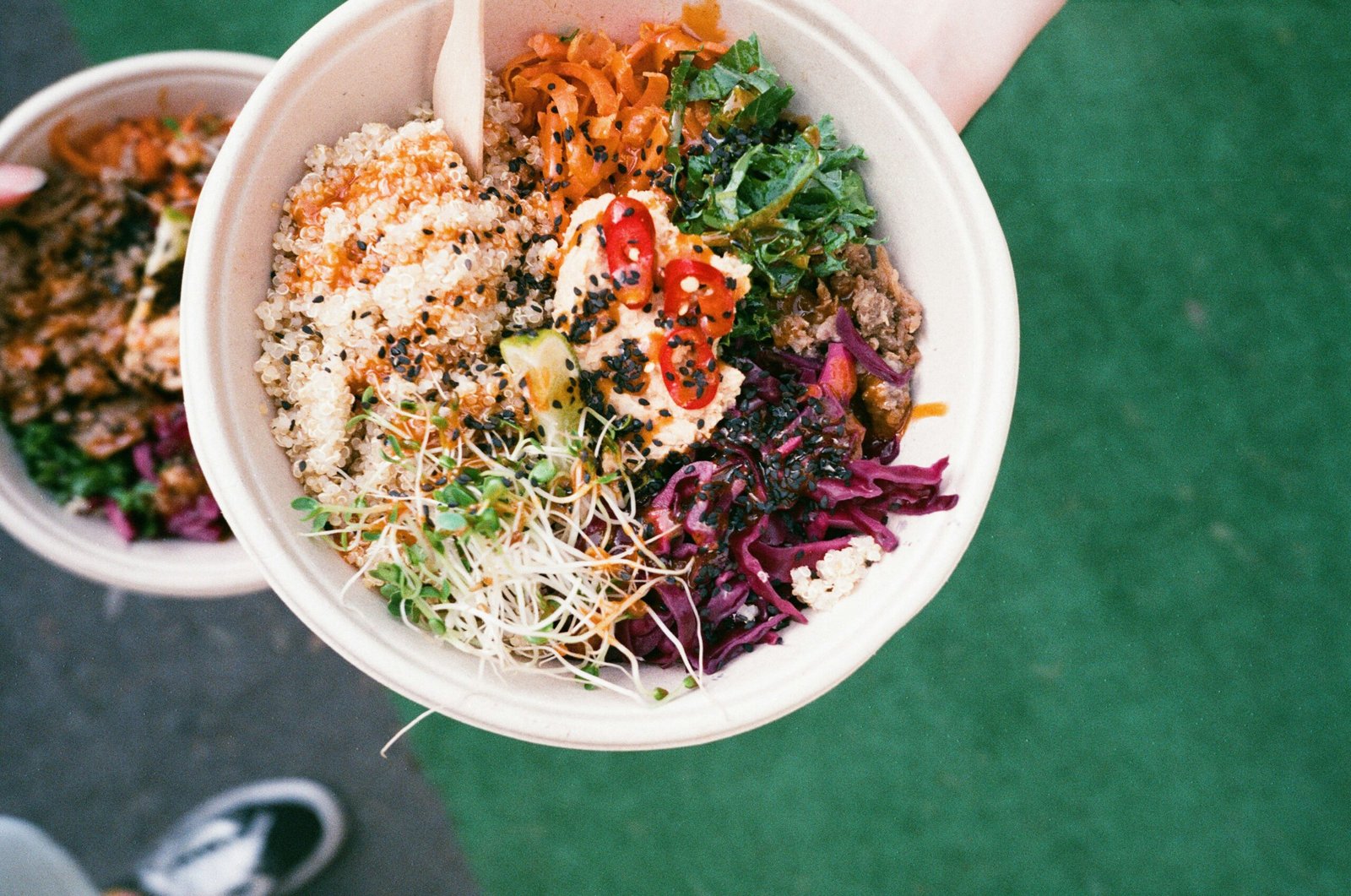
Introduction to Food Festivals
Food festivals serve as vibrant celebrations that bring together culinary enthusiasts from various backgrounds, offering a unique opportunity to explore diverse culinary traditions. These events, often held annually or seasonally, play a significant role in showcasing the rich tapestry of local and international cuisines. As food lovers travel from near and far, they become immersed in the cultural heritage of the host location, experiencing first-hand the flavors that define a region.
The significance of food festivals extends well beyond the dishes presented. They foster community spirit by encouraging local chefs, farmers, and artisans to collaborate and share their knowledge. This collaborative atmosphere not only highlights the talent within the community but also strengthens bonds among residents and visitors alike. For many regions, these culinary festivals contribute positively to the local economy by attracting tourism and showcasing local products, which can lead to increased sales for participating vendors.
As we delve into the world of top winter food festivals 2024, it is important to recognize the unique experiences that these events offer. Festival-goers can indulge in culinary delights, enjoy live cooking demonstrations, and participate in workshops that promote culinary arts. The excitement generated by these festivals can leave a lasting impact, providing memorable experiences that resonate with attendees long after the last dish has been served. Festivals not only provide entertainment but also create an atmosphere of discovery and appreciation for food, encouraging people to expand their palates and knowledge about culinary customs.
In the following sections, we will explore specific food festivals worldwide, illustrating how they exemplify the best food festivals and showcase the richness of international food events that appeal to food lovers everywhere.
Top Food Festivals in Europe
Europe boasts a vibrant culinary scene, with a plethora of festivals celebrating various aspects of food culture. Among the foremost events is Oktoberfest, held annually in Munich, Germany. Originating in 1810 as a royal wedding celebration, this festival has evolved into the world’s largest beer festival. Visitors are treated to traditional German cuisine such as pretzels and bratwurst, making it a haven for food lovers. The cultural significance of Oktoberfest extends beyond beer; it embodies Bavarian traditions and attracts millions of attendees every year.
Another iconic festival is La Tomatina, celebrated in Buñol, Spain. This unique food fight, held on the last Wednesday of August, involves participants throwing ripe tomatoes at one another. While it may seem unconventional, La Tomatina has deep-rooted historical value, believed to have originated in 1945 during a local festival. Beyond the delightful chaos, the event also showcases regional dishes, emphasizing Spanish culinary heritage. This celebration attracts food lovers from around the globe, eager not just for fun but also for an authentic taste of local culture.
On a sweeter note, the Salon du Chocolat in Paris, France, serves as a haven for chocolate enthusiasts. This annual event brings together the world’s finest chocolatiers, who showcase their creations, allowing attendees to indulge in exquisite flavors and innovative designs. Established in 1994, it has grown to become a major international food event that celebrates chocolate artistry. The festival features workshops, tastings, and even fashion shows, where models don dresses made from chocolate, encapsulating the interplay between culinary skill and creativity.
These top winter food festivals in 2024 encapsulate the rich culinary diversity of Europe. From the exuberance of Oktoberfest to the playful spirit of La Tomatina and the indulgence of the Salon du Chocolat, each festival provides a unique opportunity for food lovers to explore regional traditions and specialties. Engaging in these culinary festivals truly enriches the experience of travel, allowing visitors to connect with local cultures through the universal language of food.
Food Festivals in Asia: A Culinary Odyssey
Asia is a vibrant tapestry of cultures and flavors, making it a continent rich with some of the best food festivals celebrated worldwide. Each festival serves as a platform for food lovers to engage with local traditions and savor unique dishes that embody the region’s culinary heritage. One noteworthy event is the Yi Peng Lantern Festival in Thailand, where thousands of lanterns illuminate the night sky, symbolizing the release of misfortunes. Amidst this enchanting atmosphere, visitors can enjoy traditional Thai dishes like Khao Soi, a fragrant coconut curry noodle soup that highlights the region’s culinary richness.
Another significant festival is the Gion Matsuri in Japan, renowned for its elaborate floats and traditional performances. Celebrated in July, this festival features various food stalls offering iconic Japanese delights such as yakitori (grilled chicken skewers) and takoyaki (octopus balls). The communal vibe experienced during these festivities fosters a sense of belonging among locals and visitors alike, showcasing the importance of food within Japanese culture and social life.
The Gilbert Farmer’s Market in Australia is also a crucial part of the food lovers’ travel itinerary, bringing together local farmers and chefs to celebrate seasonal produce. This weekly event not only emphasizes organic farming and sustainable practices but also highlights the various culinary influences prevalent in Australian cuisine. Visitors can indulge in fresh fruits, artisanal breads, and handmade cheeses, all while engaging with local producers who share their culinary stories.
These culinary festivals serve as a testament to Asia’s rich food culture and traditions. They offer food enthusiasts the rare opportunity to experience and appreciate diverse cuisines through cultural festivities, making them essential international food events for anyone passionate about gastronomy.
North America’s Flavorful Festivals
North America is home to a vibrant array of culinary festivals that celebrate its rich food culture and diverse gastronomy. For food lovers looking to explore and indulge, these festivals provide a delightful opportunity to experience local flavors and traditions. One standout event is the New Orleans Jazz & Heritage Festival, which showcases not only the city’s renowned music scene but also its exceptional cuisine. Visitors can savor traditional dishes such as gumbo, jambalaya, and beignets while enjoying live performances that highlight the cultural melting pot that is New Orleans.
Another noteworthy event is the Maine Lobster Festival, held annually in Rockland, Maine. This festival attracts seafood enthusiasts from all over, who come to enjoy the freshest lobster prepared in various styles. A highlight of the festival is the lobster dinner, where attendees can partake in a feast that celebrates the local fishing heritage. Beyond the delectable seafood offerings, the event features cooking demonstrations, educational exhibits, and entertainment, making it a comprehensive celebration of Maine’s maritime culture.
In the heart of San Francisco, the San Francisco Street Food Festival transforms the city into a haven for culinary exploration. This festival takes place in the vibrant Mission District and invites local vendors to showcase their best dishes, reflecting the city’s diverse culinary influences. From artisanal tacos to gourmet ice cream, food lovers have the chance to taste a variety of cuisines under one roof. With its focus on supporting local businesses, the festival not only highlights the culinary prowess of the area but also fosters community by encouraging connections between chefs, vendors, and diners.
These festivals are just a few examples of the best food festivals in North America that cater to culinary enthusiasts seeking unique experiences. Each event encapsulates the essence of local gastronomy and showcases the creativity and passion that drives the region’s food culture. As we turn our attention to more international food events, it becomes clear that exploring these festivals offers an enriching journey for food lovers traveling in search of incredible culinary experiences.
Latin America’s Culinary Celebrations
Latin America is a veritable treasure trove of culinary festivals, each rooted in unique cultural identities and rich histories. Among the premier culinary celebrations is the Fiesta de la Vendimia in Mendoza, Argentina. This annual harvest festival celebrates the grape harvest, during which local wineries showcase their finest wines paired with vibrant cultural performances. Attendees relish traditional dishes, with cuisine that highlights regional ingredients, offering a feast that reflects Argentina’s deep connection to viticulture.
Equally captivating is Mexico’s Day of the Dead celebrations. This festival, dedicated to honoring deceased loved ones, has food at its heart. Traditional offerings, such as sugar skulls and pan de muerto (bread of the dead), reflect Mexico’s intricate relationship with life, death, and community. Each culinary piece tells a story, embodying the spirit of remembrance while inviting food lovers to engage in not just the taste, but the significance behind each dish.
In Brazil, the Feijoada Festival celebrates the national dish, feijoada, a hearty black bean stew traditionally made with pork and beef. This festival typically occurs in the winter months, where families and friends come together to savor this beloved meal that has historical roots tracing back to the country’s colonial past. While attending, guests can immerse themselves in traditional music and dance, further enriching the experience of Brazil’s diverse culinary landscape.
These examples illustrate how food serves as a vital expression of cultural identity throughout Latin America. The best food festivals in this region do not only celebrate culinary heritage, but they also foster communal ties among people, making them essential experiences for any passionate food lover. Culinary festivals, like those mentioned, provide an opportunity for food lovers to travel and indulge in a gastronomic journey that is informative and celebratory.
African Food Festivals: A Taste of Tradition
Africa, a continent rich in culture and diversity, is home to numerous food festivals that showcase its vibrant culinary heritage. Among the most notable is the Cape Town Food and Wine Festival, which celebrates local ingredients, renowned chefs, and exquisite wine pairings. This festival not only attracts food lovers from around the globe but also emphasizes sustainable practices, encouraging visitors to explore the unique flavors of South African cuisine. Attendees can indulge in a variety of dishes that highlight indigenous ingredients such as bobotie, biltong, and various traditional dishes that reflect the region’s rich tapestry of cultures.
Similarly, the Harare Agricultural Show held in Zimbabwe offers a fascinating insight into local farming practices and culinary traditions. As one of the country’s premier international food events, this festival showcases an array of indigenous dishes that celebrate Zimbabwean cuisine. Visitors can expect to savor traditional meals like sadza, a staple made from maize, and various meat stews that are fundamental to local diets. The Harare Agriculture Show is also a platform for promoting community pride and the importance of supporting local agriculture.
These key festivals highlight not only the gastronomic delights of the continent but also the significance of community and sustainability within the culinary landscape. Food festivals in Africa provide an opportunity for food lovers travel, allowing them to immerse themselves in local customs and cooking techniques. By participating in these culinary festivals, attendees are able to appreciate the rich heritage that shapes African cuisine, fostering a deeper understanding of the unique flavors and traditional practices that have been passed down through generations. The best food festivals in Africa are truly a celebration of tradition, community, and sustainability.
Oceania’s Culinary Gatherings
Oceania is home to a diverse range of culinary festivals that celebrate its unique culinary heritage and local ingredients. Among the most notable events, the Melbourne Food and Wine Festival stands out as a premier gathering for food lovers. This festival showcases the best of Australian cuisine, highlighting local produce from vineyards, farms, and coastal fisheries. The event offers a platform for renowned chefs to present their innovative creations and engage with food enthusiasts, making it a key event in the annual calendar of international food events.
Another prominent occasion is the Auckland Seafood Festival, which celebrates New Zealand’s vibrant seafood culture. This festival attracts locals and tourists alike, showcasing the freshest catches from surrounding waters. Attendees have the opportunity to sample a variety of dishes, ranging from traditional to contemporary interpretations, emphasizing sustainable fishing practices. The focus on local ingredients not only enriches the culinary experience but also promotes the importance of environmental awareness among food lovers traveling to the region.
Both festivals reflect the cultural significance of food in Oceania, serving as meeting grounds for community engagement, educational experiences, and culinary exploration. They highlight the innovative culinary practices emerging from this part of the world, inspiring chefs and food lovers to experiment with flavors that are uniquely Australian and New Zealand. Furthermore, these culinary festivals provide insights into the evolving food landscape by fostering collaborations between local producers and chefs. They embrace the seasonal bounty of the region and blend tradition with modern techniques, creating a vibrant atmosphere that resonates with all who attend.
These incredible gatherings in Oceania not only celebrate food but also reinforce the cultural ties and sustainable practices within the culinary community, making them among the top winter food festivals in 2024 that no food enthusiast should miss.
The Evolution of Food Festivals
Food festivals have undergone significant transformations over the years, reflecting broader trends in culinary preferences, sustainability, and community engagement. Initially rooted in local cultures and agricultural practices, these festivals sought to celebrate seasonal produce and traditional cooking methods. As globalization and technology advanced, food festivals began to adopt a more varied and inclusive approach, allowing for an array of international food events that appealed to global food lovers.
One notable trend in the evolution of food festivals is the rise of the farm-to-table movement. This initiative emphasizes the importance of sourcing ingredients directly from local farms, fostering a connection between consumers and farmers. As attendees increasingly seek authentic culinary experiences, many festivals now prioritize partnerships with local producers, allowing chefs to showcase their dishes made from fresh, sustainable ingredients. This shift not only enhances the quality of the food served but also supports local economies, making festivals a crucial platform for promoting sustainable practices within the food industry.
Technology also plays a pivotal role in the current landscape of culinary festivals. With the advent of social media and mobile applications, festivals have become more accessible to a wider audience. Organizers leverage these tools to enhance visitor experiences, offering real-time updates about events, cooking demonstrations, and tastings. Moreover, online platforms enable food lovers to discover top winter food festivals in 2024, extend their culinary journeys, and engage with chefs and food artisans. This integration of technology ensures that festivals continually evolve to meet the changing preferences of consumers, making the experience more interactive and enriching.
As we look toward the future, the emphasis on food education has also gained traction among festival organizers. Educational workshops, tastings, and discussions focused on culinary techniques, nutrition, and food history increasingly accompany the traditional festivities. This shift reflects a growing recognition that food festivals serve not only as entertainment but also as vital educational platforms for chefs and attendees alike, fostering a deeper understanding of the culinary arts and food culture.
Conclusion: The Future of Food Festivals
The landscape of food festivals is evolving, propelled by the changing dynamics of global events and cultural preferences. As we look to the future, a significant trend in the organization of these culinary gatherings will be the enhanced focus on safety and accessibility. The impact of recent global events, particularly the pandemic, has compelled organizers to rethink safety protocols, ensuring that food lovers can partake in international food events with confidence. These measures may include improved sanitation practices, limited capacity, and even the introduction of reservation systems that prioritize attendee safety while maintaining a festive atmosphere.
Moreover, the integration of technology into food festivals is likely to continue growing. Virtual and hybrid formats have emerged as a solution during periods of social distancing, and their popularity among food lovers is unlikely to wane. Such innovations can enhance the inclusivity of culinary festivals, allowing a broader audience to engage remotely while still enjoying the diverse culinary offerings. This shift not only caters to those unable to travel due to geographic or financial constraints but also provides an opportunity for festival organizers to expand their reach beyond traditional borders.
Despite these changes, the essence of food festivals—the communal dining experiences and cultural celebrations that bring people together—remains. As top winter food festivals for 2024 and beyond are planned, an emphasis on fostering community connections will be vital. Culinary delights will continue to be a focal point, showcasing global flavors and regional specialties. By balancing innovation with tradition, the best food festivals will endure, adapting to meet the needs of food lovers across the globe while honoring the rich tapestry of culinary heritage. The future holds promise for food enthusiasts as they anticipate new and exciting developments in the world of food festivals.