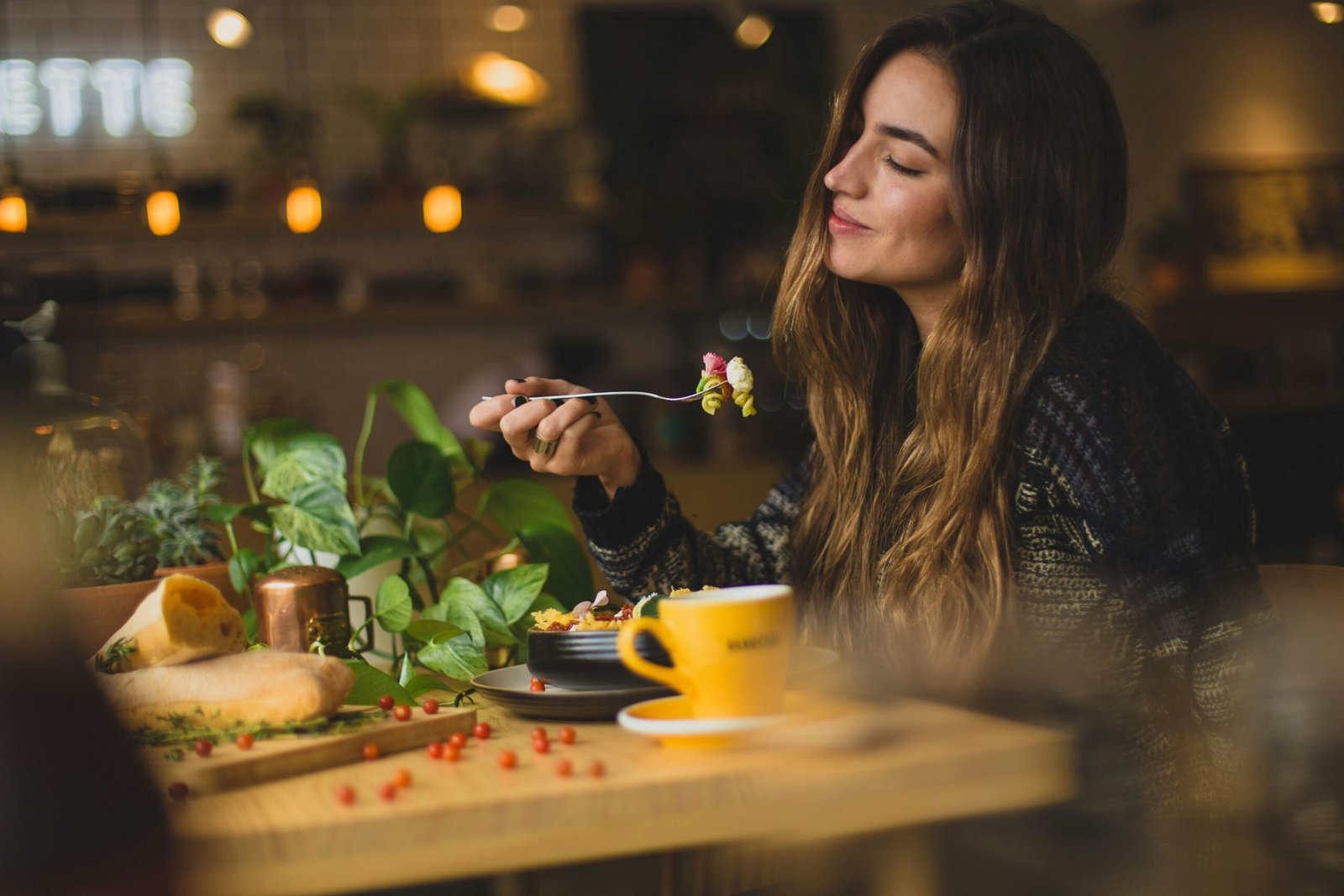
Introduction to Sensuality in Spanish Cuisine
The concept of sensuality in cuisine encompasses more than just the physical act of consuming food; it embodies the rich interplay of flavors, aromas, textures, and even the ambiance that surrounds dining. In Spain, this multifaceted approach is deeply rooted in its diverse culinary traditions, where each dish tells a story, invoking emotions and memories that resonate with both locals and visitors alike. Spanish cuisine, with its vibrant ingredients and captivating presentation, invites individuals to engage in sensory travel that stretches far beyond mere sustenance.
From the moment one sets foot in a traditional Spanish tapas bar, the sounds of laughter, clinking glasses, and sizzling dishes create an immersive dining atmosphere. The interplay of colors on a plate, be it the bright reds of roasted peppers or the golden hue of paella, further enhances the visual appeal, engaging diners in an evocative experience. These elements work synergistically to foster an environment ripe for romantic dining, elevating every meal into a celebration of life’s pleasures.
The act of sharing food plays a pivotal role in the sensual food experiences unique to Spain, promoting intimacy and connection among diners. As people gather around the table to share a range of small plates—a hallmark of Spanish dining—they engage not just with one another but also with the culinary heritage that each dish represents. This communal approach to dining turns meals into events, where flavors awaken the senses, evoking feelings of joy and nostalgia for those familiar with the cuisine while igniting curiosity in those who are tasting it for the first time.
In embracing the sensuality inherent in food, Spain encourages a deeper appreciation for its offerings. As readers embark on this exploration of culinary delights, they will discover that every dish serves not just to satiate hunger, but also to engage the senses and create lasting memories.
Spanish Tapas: A Taste of Variety
The tapas culture in Spain epitomizes the art of sensual food experiences, allowing diners to embark on a tantalizing journey of flavors and textures. Originating from various regions, tapas consist of an array of small plates that provide not just sustenance, but also an opportunity for sensory travel and exploration. Each dish is designed to awaken the palate, offering a delightful medley of ingredients, from the rich and savory to the light and refreshing.
The beauty of tapas lies in their diverse offerings. From classic patatas bravas, with their crispy outer layer and creamy sauce, to the succulent gambas al ajillo, sizzling in garlic and olive oil, these small plates invite diners to share and explore together. The act of gathering around a table to savor these dishes transforms a meal into an immersive dining experience where each bite tells its own story. The vibrant colors and enticing aromas heighten the anticipation while fostering an atmosphere of camaraderie and connection.
Engaging in tapas is a quintessential aspect of gourmet travel in Spain, as it allows participants to savor localized cuisine with friends and family. The communal aspect of sharing small plates enhances the sensory journey, making it more intimate and reminiscent of traditional romantic dining experiences. Whether enjoyed in a bustling bar or a quaint restaurant, the social interaction combined with the unique flavors creates a memorable atmosphere that resonates long after the last plate is cleared.
Therefore, the sensory delight found in exploring Spanish tapas invites food lovers to immerse themselves in each bite, engaging all senses through taste, smell, and even touch. This tradition enriches not only the culinary experience but also evokes a feeling of belonging and enjoyment among those gathered, highlighting how food can serve as a powerful means of connection in a culturally rich environment.
The Art of Spanish Wine and Food Pairing
Spain’s rich culinary landscape is complemented by a deep-rooted tradition of wine production, making the art of wine and food pairing an essential aspect of gourmet travel. Across the country, regions such as Rioja and Ribera del Duero have established themselves as bastions of quality viniculture, showcasing a diverse range of wines that accentuate the sensory experience of dining. These regions produce reds, whites, and rosés that vary in profile, flavor, and aromatic complexity, allowing for numerous opportunities to enhance a meal through careful pairing.
The harmonious interplay between wine and food transcends mere function, creating immersive dining experiences that engage the palate. For example, robust red wines from Rioja, with their characteristic tannins and rich flavors, beautifully complement hearty dishes such as lamb stew or aged Manchego cheese. The slight spiciness of a Tempranillo can elevate the taste of grilled meats, providing a sensual exploration of flavor. Conversely, the elegance of a crisp Albariño from Rías Baixas pairs wonderfully with seafood, allowing the freshness of the ocean to meld seamlessly with the wine’s citrus notes.
In addition, the pairing extends beyond traditional combinations; innovative culinary techniques employed by chefs can lead to delightful discoveries in romantic dining settings. Sensory travel through food tasting menus often features bespoke pairings that surprise and delight. An adventurous palate might enjoy a playful contrast, such as a sweet Pedro Ximénez sherry served alongside a rich chocolate dessert, offering a captivating conclusion to a meal.
The exploration of Spanish wine and food pairing is thus an integral component of indulging in sensual food experiences. Each sip and each bite contribute to a narrative that celebrates regional diversity and culinary tradition, making every meal a unique moment in the broader tapestry of Spain’s rich gastronomy.
Savoring Paella: A Sensory Feast
Paella, a dish that has become synonymous with Spanish cuisine, offers a vibrant portrayal of sensory travel through its vivid colors, enticing aromas, and communal nature. Originating from the region of Valencia, this iconic dish showcases local ingredients that vary significantly from one area to another, resulting in a rich tapestry of flavors that define the gastronomic landscape of Spain. From the classic Valencian version, featuring rabbit and green beans, to the seafood-rich variations found along the coastal areas, paella represents the regional diversity and culinary innovation that characterize gourmet travel in the country.
One cannot discuss this legendary dish without acknowledging the sensory experiences it brings to the table. The vibrant hues of saffron, red bell peppers, and fresh herbs paint a picture that is as appealing to the eyes as it is to the palate. The aroma of sizzling ingredients coming together in a large, shallow pan sets the stage for an immersive dining experience that transcends mere sustenance. The intoxicating scent of saffron mingling with smoked paprika creates a fragrant spell that invites diners to partake in a culinary journey.
Beyond its visual and olfactory delights, paella embodies a communal experience, often enjoyed in the company of friends and family. This aspect enriches the dining occasion, inviting conversations and shared laughter around the table. The act of gathering for paella mirrors the finest romantic dining experiences, where connection is fostered through food and shared moments. As each person serves themselves from the communal pan, the dish appears to transform into a celebration of togetherness, transcending culinary boundaries and creating lasting memories. In exploring the sensual food experiences presented by paella, one not only delights in the flavor but also immerses themselves in the cultural richness of Spain.
Delightful Desserts: A Sweet Ending
Spain boasts a rich culinary heritage that extends beyond savory dishes, inviting food enthusiasts to explore its diverse array of traditional desserts. Among these delightful creations, flan, churros, and tarta de Santiago stand out, offering unique textural and flavor experiences that captivate the senses. Each dessert not only showcases the artistry of Spanish gastronomy but also serves as a vessel for sensory travel, transporting individuals to the heart of Spain’s vibrant culture.
Flan, with its smooth caramel exterior and creamy custard interior, exemplifies the concept of immersive dining, engaging both the palate and the emotions. The delicate balance of sweetness and richness creates a pleasurable indulgence, making it an ideal choice for romantic dining. The ritual of savoring flan can be heightened when shared with a partner, turning the act of dessert into a meaningful experience that fosters connection and intimacy.
Churros add a playful twist to Spain’s dessert offerings. These fried-dough pastries are often enjoyed dipped in thick hot chocolate, transforming a simple treat into a moment of shared joy. Whether consumed alone or among friends, churros evoke a sense of nostalgia and comfort, as they are typically enjoyed at casual gatherings or after long walks along picturesque streets. The contrasting textures of the crispy exterior and soft interior contribute to a symphony of sensations that enhance the gourmet travel experience.
Tarta de Santiago, the almond cake adorned with the Cross of Saint James, further emphasizes the narrative of traditional Spanish desserts. Its moist yet crumbly texture paired with the sweet dusting of powdered sugar creates a delightful harmony on the palate. This dessert embodies the rich history of Spain and serves as a delightful finale to any meal, reinforcing the joys of sensory indulgence. As one explores these enchanting sweets, it becomes evident how integral they are to the overall sensual food experiences that Spain has to offer.
Street Food: The Pulse of Spanish Flavor
Exploring the streets of Spain offers an unparalleled sensual food experience, with an array of vibrant street food that reflects the nation’s rich culinary heritage. Street vendors and casual eateries serve dishes that encapsulate the spirit of sensory travel; each bite tells a story, inviting patrons on a journey of flavors that invigorate the senses. Among the most beloved street foods are pinchos, empanadas, and churros, each providing a unique immersive dining experience.
Pinchos, traditional small snacks often served on a skewer, embody the spontaneity of Spanish street food culture. The combination of flavors enables a gourmand to indulge in multiple taste sensations within a single outing. From spicy chorizo to fresh seafood, the variety of pinchos allows for exploration of local ingredients while mingling with the vibrant energy of the streets. Each stand boasts its own specialties, enhancing the allure of gourmet travel in Spain.
Empanadas, another cornerstone of Spanish street cuisine, provide a portable burst of flavor. These delightful pastries are stuffed with various fillings, from savory meats to fresh vegetables, making them a popular choice for those seeking a quick yet satisfying meal. The experience of savoring an empanada while immersing oneself in the rhythm of the city exemplifies the concept of romantic dining intertwined with everyday life.
Churros, sweet and crispy strands of dough, represent the perfect finish to any street food outing. Served alongside a rich cup of thick chocolate for dipping, churros offer a delightful balance of sweetness and texture. Their consumption in bustling squares and lively markets evokes feelings of nostalgia and connection, a sensory embrace that transcends mere sustenance.
In Spain, street food stands as a cultural emblem, a testament to the nation’s passion for culinary delight. By indulging in these offerings, one experiences not just the flavors, but also the vibrant atmosphere that accompanies each dish—truly a sensory journey worth embarking upon.
Embracing Regional Flavors: A Culinary Journey Across Spain
Spain’s culinary landscape is a vibrant tapestry woven from its diverse regions, each offering unique dishes that reflect its local ingredients, traditions, and cultural history. The allure of sensory travel allows one to experience these regional flavors firsthand, leading to sensual food experiences that tantalize the palate and stir the imagination. For instance, in Andalusia, the iconic gazpacho—an invigorating cold soup made from fresh tomatoes, peppers, cucumbers, and garlic—is more than just food; it embodies the spirit of the sun-drenched southern coast and the region’s agricultural bounty. Consuming this dish in its home environment enhances the experience, turning a meal into an immersive dining adventure.
Traveling to the Basque Country introduces visitors to another culinary marvel: pintxos. These small snacks, often served on skewers, are a centerpiece of local culture and social gatherings. Each pintxo tells a story, featuring ingredients that reflect the surrounding landscape, like fresh seafood caught from the Bay of Biscay or locally sourced meats from the rolling hills. The opportunity to enjoy these gourmet travel experiences in bustling local bars heightens the sense of community and provides an authentic taste of Basque hospitality.
In Catalonia, the renowned dish of calçots—grilled green onions served with a delicious romesco sauce—brings people together in seasonal celebrations known as calçotades. This communal dining experience is not just about the food but also about the cultural practices that highlight connection and sharing, illustrating the deeply rooted traditions of regional cuisine.
Overall, Spain’s culinary offerings span a rich spectrum of tastes, textures, and aromas that invite travelers into a world of flavor. Every dish is uniquely crafted with passion and purpose, enhancing the sensory enjoyment and delivering a gourmet journey that resonates long after the meal is finished.
Cooking Classes: Getting Hands-On in the Kitchen
In recent years, the rise of cooking classes in Spain has provided visitors with an immersive dining experience that transcends mere eating. These hands-on sessions allow participants to engage directly with the local cuisine, fostering a deeper understanding of the flavors and techniques that define Spanish culinary traditions. Whether it is paella from Valencia or pintxos from the Basque Country, cooking classes serve as an entry point into the rich tapestry of Spain’s gastronomic heritage.
Participants in these workshops can expect to dive into the sensory travel aspect of cooking, where the process is as enriching as the final dish. By learning from skilled chefs, individuals discover the importance of ingredients, the nuances of seasoning, and the cultural significance behind each recipe. This direct engagement not only enhances their culinary skills but also creates a more profound appreciation for Spanish food culture. Through hands-on learning, participants can experience how the delectable aromas, vibrant colors, and diverse textures of fresh ingredients intermingle, thus crafting a multisensory cooking adventure.
Moreover, cooking classes offer a chance for individuals to connect with the local community, providing insights into traditional culinary practices. This connection often extends beyond the kitchen to create lasting memories, which can elevate a trip into gourmet travel. For couples seeking romantic dining experiences, these classes present a unique opportunity to bond over shared culinary challenges, further deepening emotional ties through collaborative cooking. As guests cook side by side, they explore the art of creating authentic dishes, transforming mere ingredients into heartfelt expressions of love and tradition. Overall, cooking classes have become a vital component of the sensual food experiences available in Spain, inviting visitors to engage fully with the country’s culinary landscape.
Conclusion: The Sensory Journey of Spain’s Culinary Landscape
Spain’s culinary landscape is a vibrant tapestry that invites individuals to embark on a sensual food experience. Each dish serves as a portal, revealing the rich cultural heritage and regional traditions that have shaped the nation’s gastronomy. Through the blending of flavors, textures, and aromas, the food of Spain transcends ordinary dining, offering immersive dining experiences that engage all the senses. Whether it is the zest of Mediterranean herbs in a classic paella or the delicate sweetness of churros dipped in chocolate, each bite presents a story of Spain’s diverse geography and history.
The relationship between sensory travel and food becomes especially prominent in Spain, where meal times are celebrated social events. The experiential nature of dining in Spain fosters moments of connection, love, and community, transforming a simple meal into a romantic dining affair. The ambiance of traditional taverns or modern tapas bars, the clinking of glasses, and the lively chatter all coalesce to create an unforgettable atmosphere that enhances the overall sensual food experiences.
Moreover, gourmet travel enthusiasts are continually drawn to Spain’s signature dishes and avant-garde culinary innovations. Celebrated chefs reimagine traditional recipes, presenting them in thought-provoking ways that further ignite the senses. This blend of homage to the past with a commitment to innovation fortifies the notion that gastronomic experiences in Spain are not merely about satisfying hunger. Instead, they embody an art form that offers a rich array of flavors, enhanced by stunning presentations and memorable settings.
Ultimately, Spain’s culinary scene stands as a testament to the country’s ability to intertwine tradition with creativity, inviting diners to relish each moment. The sensory journey through Spain’s flavors not only satiates the palate but also nourishes the soul, ensuring that every dining experience becomes a cherished memory.