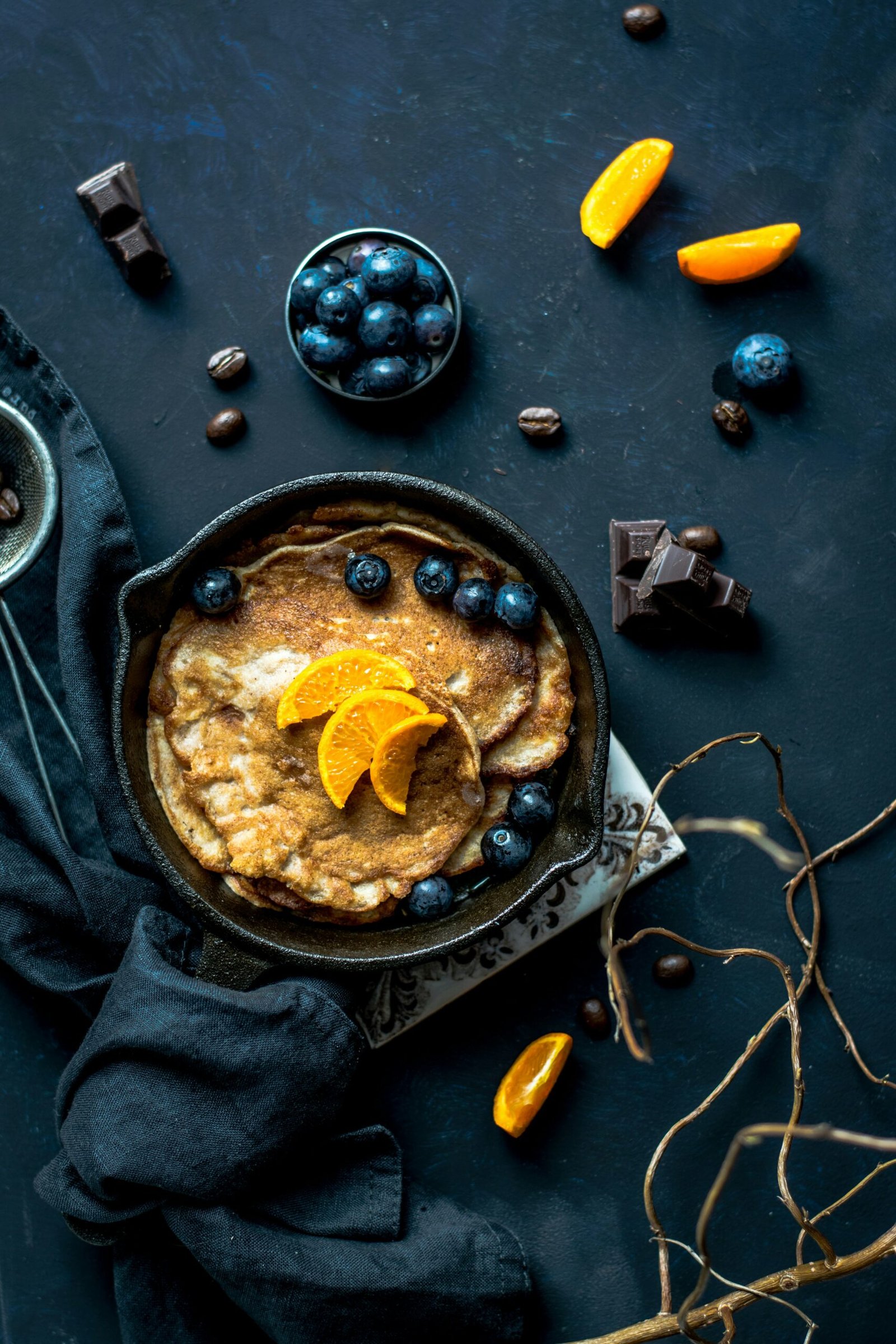
Introduction to Food Photography
Food photography is a captivating genre, especially when viewed through the lens of travel. This art form extends beyond simply showcasing a dish; it encompasses the essence of a destination, reflecting local culture, traditions, and unique culinary practices. Travelers often find that the meals they encounter during their journeys tell profound stories about the places they explore. Understanding how to photograph food while traveling can elevate one’s travel experiences, resulting in a visual narrative that resonates well beyond mere snapshots.
Enhancing one’s photography skills helps convey the vibrancy and richness of a location through its cuisine. When capturing food, it is essential to consider various aspects such as composition, lighting, and camera settings for food shots. A well-composed image not only highlights the dish but also evokes emotions that connect the viewer with the travel experience. For instance, a beautifully arranged plate of regional specialties can evoke the excitement of a bustling market or the calmness of a beachside café.
Employing effective food photo tips can help in accurately portraying the flavors and textures of dishes. The right angle can make a significant difference, whether it’s a close-up capture of a delicately plated meal or a wider shot that includes the surroundings. Natural light often yields the best results, making outdoor dining or brightly lit spaces ideal for photographing food. Moreover, incorporating local elements in the frame, such as traditional table settings or native ingredients, can deepen the cultural context of the images.
As travelers embark on their journeys, they should embrace food photography as a crucial element of their storytelling. By capturing these moments, they can create lasting memories that encapsulate not just what they ate, but the overall experience of the culture and environment that shaped those culinary delights.
Choosing the Right Equipment
When it comes to travel photography, particularly food photography, selecting the right equipment is crucial. The gear you choose can significantly influence the quality of your food shots, so it is important to strike a balance between functionality and portability. For most travel photographers, a DSLR or mirrorless camera is ideal due to their versatility and potential for high-quality images. They offer a range of manual settings that can enhance the way you photograph food, allowing for greater control over aspects such as exposure and focus.
In terms of lenses, a prime lens with a wide aperture (like a 50mm f/1.8) is particularly beneficial for food photography. This type of lens allows for a shallow depth of field, which can create that enticing blurred background effect that makes the food the centerpiece of your shot. However, a versatile zoom lens can also be advantageous while traveling, as it provides the flexibility to adapt to varying distances and compositions you may encounter in restaurants or street markets.
Tripods are another essential accessory for achieving stable shots, particularly in low-light environments often found in dining settings. A lightweight travel tripod is recommended, as it won’t weigh down your gear and can be easily packed. In addition, consider carrying portable reflectors or diffusers, as these can help manage lighting and shadows, enhancing the overall image quality. For those interested in how to photograph food while traveling, remember to pack spare memory cards and batteries to ensure you don’t miss out on capturing stunning food shots. Ultimately, understanding your specific needs and preferences will help you choose the right equipment that aligns with your travel photography goals.
Understanding Natural Light
Natural light plays a pivotal role in capturing riveting food photographs, as it can significantly enhance the colors and textures of dishes, making them look more appetizing and vibrant. Understanding how to utilize natural light is crucial for anyone looking to improve their food photography skills, especially when traveling and aiming to document unique culinary experiences. The best times of day for shooting food include the early morning and late afternoon, commonly referred to as the “golden hour.” During these times, light is softer and warmer, casting a beautiful glow that can make your food shots stand out.
When photographing food while traveling, be aware of your surroundings and how they interact with natural light. Position your food near a window or outside to take advantage of indirect sunlight, which minimizes harsh shadows and highlights. If you find yourself in a crowded café or a dark restaurant, opting for a table near a large window can provide the best natural lighting conditions. In addition, consider using reflectors or white surfaces to bounce light onto your dish, enhancing its visual appeal without the need for artificial lighting.
However, it’s essential to avoid some common lighting pitfalls. Direct sunlight can create unflattering shadows, while overly dim environments may not provide enough clarity for your food shots. Be mindful of the time of day and adjust your shooting environment accordingly. Utilizing techniques such as adjusting your aperture or ISO settings can further optimize your camera settings for food shots. By mastering the use of natural light, you can implement effective food photo tips that will ultimately elevate your travel photography and create stunning images that connect viewers with the culinary delights you encounter on your adventures.
Composing the Perfect Shot
In the realm of food photography, composing the perfect shot is essential to effectively showcase culinary delights. One fundamental principle to consider is the rule of thirds. This technique involves dividing the frame into a grid of nine equal parts and placing the subject along these lines or at their intersections. By following this guideline, the resulting images appear more balanced and visually engaging, making the dish the focal point of the photograph.
Another crucial element in composition is the use of leading lines. These lines can guide the viewer’s eye towards the subject, creating a sense of depth and perspective. For instance, consider placing utensils or garnishes strategically in the foreground to lead the eye to the main dish. Incorporating leading lines can create a dynamic composition that draws attention to the food, enhancing the overall impact of your shot.
Framing the subject effectively is also vital in food photography. Utilizing elements within the scene, such as plates or table settings, can naturally frame the food and make it stand out. This technique not only adds context but also helps in creating a more immersive experience for the viewer. Various angles and perspectives should be explored, as they play a significant role in how food is perceived in photos. Overhead shots, for example, work well for flat lays, highlighting the arrangement and colors of the ingredients, while side angles can enhance texture and dimension.
Experimentation is encouraged when composing food shots while traveling. Utilize the surrounding environment to create unique backdrops or to incorporate cultural elements. This not only enhances the aesthetic appeal but also provides a story behind each dish. By acknowledging the importance of composition in food photography, photographers can create striking and memorable images that truly capture the essence of the cuisine being portrayed.
Styling Your Food
Capturing stunning food shots while traveling requires a keen understanding of food styling, which plays a pivotal role in making dishes look appetizing and visually appealing. The first step in styling food is to consider the presentation. Think about how the colors of the ingredients complement each other. Vibrant colors not only attract attention but also indicate freshness. Use garnishes like fresh herbs, edible flowers, or drizzles of sauce to add a pop of color and texture to the dish, enhancing its visual appeal in photographs.
When it comes to props, carefully select items that enhance the story you want to tell with your food photography. Choose plates, utensils, and napkins that complement the colors and aesthetics of the dish. For example, rustic wooden boards can accentuate a hearty meal, while minimalist white plates can highlight the colors and details of more delicate dishes. The arrangement of food items is equally important; creating height and dimension can make a dish look more dynamic in photos. Stacking, layering, and precise placement can help draw the viewer’s eye to the most appealing aspects of a dish.
Understanding the cultural context of food styling is also essential. Different cuisines have unique presentation styles and traditional garnishes that can enrich the story behind the dish. Researching local customs can inspire you to incorporate these elements into your styling approach. Moreover, consideration of the surrounding environment can inform your choice of props and backdrop. Utilizing natural elements, such as textures found in the local area, can further enhance your food photography. By applying these food photo tips, you will learn how to photograph food while traveling in a way that pays homage to the local culture while also showcasing the beauty of the cuisine.
Post-Processing Tips
Post-processing is a crucial step in the journey of capturing stunning food shots, especially when implementing effective travel photography tips. The right editing techniques can significantly enhance an image, making the colors more vibrant and the composition more striking. Popular editing software options include Adobe Lightroom and Photoshop, as well as free alternatives like GIMP and Snapseed. Each of these programs has unique features that can help photographers refine their food photography skills.
One of the fundamental editing techniques is adjusting the brightness and contrast of an image. Ensuring the photo is well-lit while maintaining depth can transform an ordinary shot into an eye-catching masterpiece. It is also essential to pay attention to saturation levels, as amplifying colors can bring food to life, making it look more appetizing. However, it’s vital not to overdo any of these adjustments, as this can lead to unnatural images that detract from the authentic experience of how to photograph food while traveling.
For those seeking to achieve professional-quality images, advanced techniques such as utilizing layer masks and selective adjustments can make a substantial difference. By fine-tuning specific areas of the photograph rather than applying uniform adjustments, photographers can draw attention to details such as garnish, texture, or shine. Additionally, employing filters can add aesthetic appeal, but should be used judiciously to maintain the integrity of the food photo tips being showcased.
As you refine your skills in post-processing, remember that practice plays a critical role in developing a style. Taking the time to experiment with different techniques will enhance your ability to capture food shots that not only reflect the subject’s essence but also resonate with the viewer. Ultimately, mastering editing is an invaluable asset in the art of travel photography, ensuring your food experiences are beautifully documented.
Capturing Cultural Context
Incorporating cultural elements into your travel photography not only enriches the images but also tells a broader story about the places you visit. To elevate your food photography, consider capturing local markets, cooking methods, and distinctive dining settings that define the culinary traditions of a region. When you aim to photograph food while traveling, understanding the cultural significance behind each dish can transform your images into narratives that resonate with viewers.
Local markets are often vibrant hubs of activity and serve as an excellent backdrop for food photography. Capture the array of colors, textures, and ingredients available, showcasing the region’s unique offerings. Use wide-angle shots to encompass the bustling atmosphere and the interactions between vendors and customers. This context not only highlights the food but also emphasizes the cultural dynamics that shape it. When photographing food items, remember to focus on the storytelling aspects; include people and their interactions with food to provide a glimpse into daily life.
Additionally, pay attention to traditional cooking methods. Photographing food being prepared can reveal the time-honored techniques and cultural rituals that accompany meals. For example, consider capturing a local chef at work, showcasing the cooking equipment and ingredients. These details will enhance your images, adding depth and significance. Remember to adjust your camera settings for food shots to ensure clarity, particularly in mixed lighting scenarios often found in kitchens or open-air setups.
Lastly, the dining setting can greatly impact your food imagery. Whether dining at a street-side stall or in a family home, consider how the environment interacts with the food. Use composition techniques, such as leading lines or framing, to draw attention to the dish while showcasing its cultural context. Employ these travel photography tips to capture not just the food, but the stories and experiences behind it, enriching your travel narrative and providing a deeper understanding to those who view your work.
Sharing Your Food Photos
In today’s digital age, sharing your food photography has become an essential part of travel experiences, especially when it comes to engaging audiences on social media platforms and blogging sites. To effectively showcase your culinary captures, it is important to consider both the visual appeal of your photos and the narrative around them. Start by choosing the right platform; Instagram is popular for vibrant visuals, while blogs allow for a deeper dive into the context of your travels and the culinary delights encountered.
When sharing food photography, crafting enticing captions can significantly enhance the impact of your images. Captions should not only describe the dish but also convey personal experiences related to it, whether that’s a story about visiting a local market or an anecdote about the chef. This adds a human touch and invites your audience to connect with your journey. Furthermore, incorporating travel photography tips such as emphasizing color and freshness can make your food shots even more captivating.
Hashtags play a crucial role in increasing visibility on social media. Using relevant hashtags related to food photography, such as #Foodie, #TravelEats, and #FoodPhotographyTips, can help you reach a broader audience. Additionally, consider joining food and travel communities online to enhance your engagement. By connecting with fellow enthusiasts, sharing insights, and participating in discussions, you can gain valuable feedback and inspiration for future content.
Interacting with your audience through comments and messages will also foster a supportive community around your food photography. Engaging storytelling, coupled with strategic sharing techniques, will allow your travel food photos to resonate more profoundly with your followers, heightening their interest in the unique culinary experiences of your travels. In conclusion, implementing these strategies will not only improve the sharing of your food photography but also strengthen your connection with the vibrant global community of food and travel lovers.
Final Thoughts and Inspiration
Engaging in travel photography, particularly in the realm of food photography, offers a delightful opportunity to capture the essence of a culture through its culinary delights. The intersection of travel and food allows photographers to not only document their experiences but to also tell vivid stories that resonate with audiences. Whether you are exploring local markets or dining at renowned restaurants, each food shot you capture serves as a representation of the flavors and traditions of the place you are visiting.
It is essential to embrace experimentation when embarking on your food photography journey while traveling. Every location presents distinct lighting, textures, and platings that can inspire your unique photographic style. Consider trying various camera settings tailored for food shots, such as aperture adjustments to create a blurred background, or playing with different angles to showcase a dish’s best attributes. These small changes can elevate your food photo tips and help you create engaging and authentic imagery that reflects your personal perspective.
Do not hesitate to seek out resources that can enhance your skills further. Online platforms offer numerous tutorials and articles devoted to how to photograph food while traveling, which can provide you with practical advice and share the experiences of seasoned photographers. Engaging with photography communities can also be an excellent source of inspiration; sharing your work and receiving feedback can foster your growth while allowing you to connect with like-minded individuals who share your passion for culinary capture.
As you embark on your next adventure, remember that the world of food photography is limitless, waiting for you to explore it through your lens. Your unique insights and creativity will shine through with each click of the camera, making every culinary capture a cherished memory. Happy photographing!